
WASHINGTON, November 18, 2026 — First, Microsoft went down. Then banks experienced disruptions, flights were grounded nationwide, and now even the National Security Agency has reported problems with its classified communications network.
A troubling series of technology failures across the United States is raising questions about the reliability of systems that Americans depend on every day.
The latest incident involved the National Security Agency (NSA), one of the country's most sensitive intelligence organizations.
On Tuesday, the agency confirmed that its internal classified communications network had experienced disruptions during scheduled maintenance.
The affected system, known as NSANet, allows intelligence personnel to exchange classified information.
The NSA said its critical national security operations remained functional and attributed the disruption to routine maintenance rather than a cyberattack.
From Airports to Banks: What Went Wrong?
The NSA incident followed several major technology failures affecting unrelated industries.
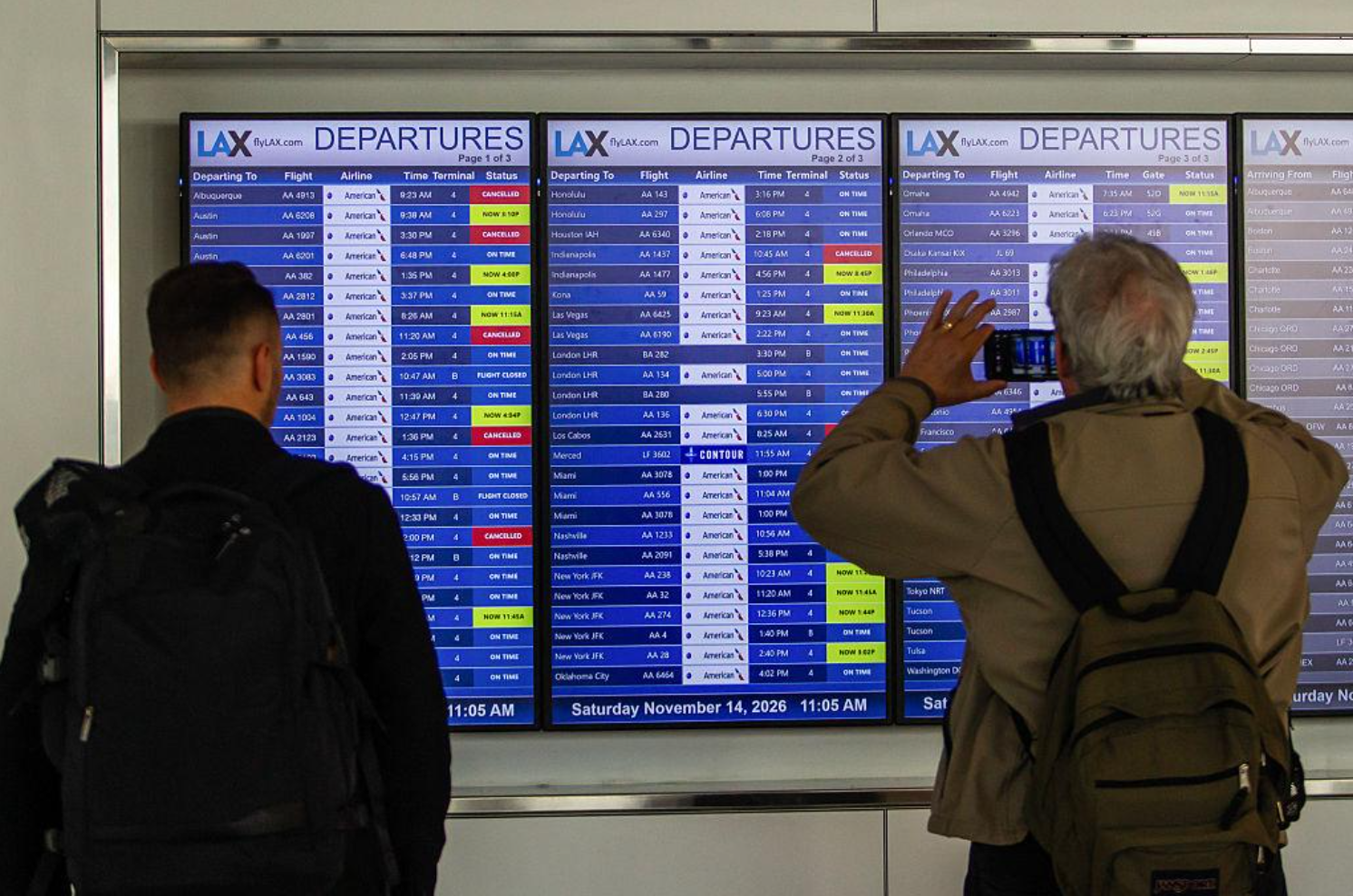
On November 13, a technical malfunction forced the Federal Aviation Administration to temporarily halt departures nationwide.
The disruption affected communications and radar systems used by air traffic controllers, creating widespread delays and cancellations.
According to the FAA, the problem involved instability in an aging telecommunications network. Investigators identified unusually high volumes of network connection attempts associated with two facilities.
Days later, United Airlines experienced a separate system failure that delayed departing flights.
Banking customers also encountered difficulties accessing accounts and transferring money after a technical problem at JPMorgan Chase affected services, including Zelle.
Meanwhile, Microsoft 365 users faced interruptions involving Outlook, Teams and other workplace applications.
Apple and Marriott subsequently reported their own technology problems.
Is America Under Cyberattack?
Despite the timing, federal officials say there is no evidence that these incidents were part of a coordinated cyberattack.
Secretary of State Marco Rubio publicly rejected suggestions of a systemic attack, while officials investigating individual outages have pointed toward technical failures and maintenance problems.
That distinction matters.
A cyberattack would raise questions about hostile actors penetrating American infrastructure. A series of unrelated technical failures raises a different concern: whether essential systems have become too complicated, outdated or interconnected to operate reliably.
The Hidden Cost of Digital Dependence
Modern businesses depend on a relatively small number of technology platforms for communications, payments and daily operations.
When one system fails, the consequences can spread far beyond the company responsible.
A malfunction can prevent travelers from boarding flights, customers from accessing money or employees from communicating with colleagues.
The incidents also highlight the challenge of modernizing older infrastructure without disrupting services that cannot simply be switched off.
What Happens Next?
Federal agencies and private companies are investigating the causes of their respective outages.
For now, there is no verified evidence connecting the incidents to a single cause.
But the larger question remains.
If America's airports, banks, businesses and intelligence agencies can all experience serious technology failures within days of one another, how prepared is the country for a prolonged disruption?
The latest outages have made that question increasingly difficult to ignore.