
November 25, 2026 | NEWSruDaily
The world's oil market is nervous again, and for good reason.
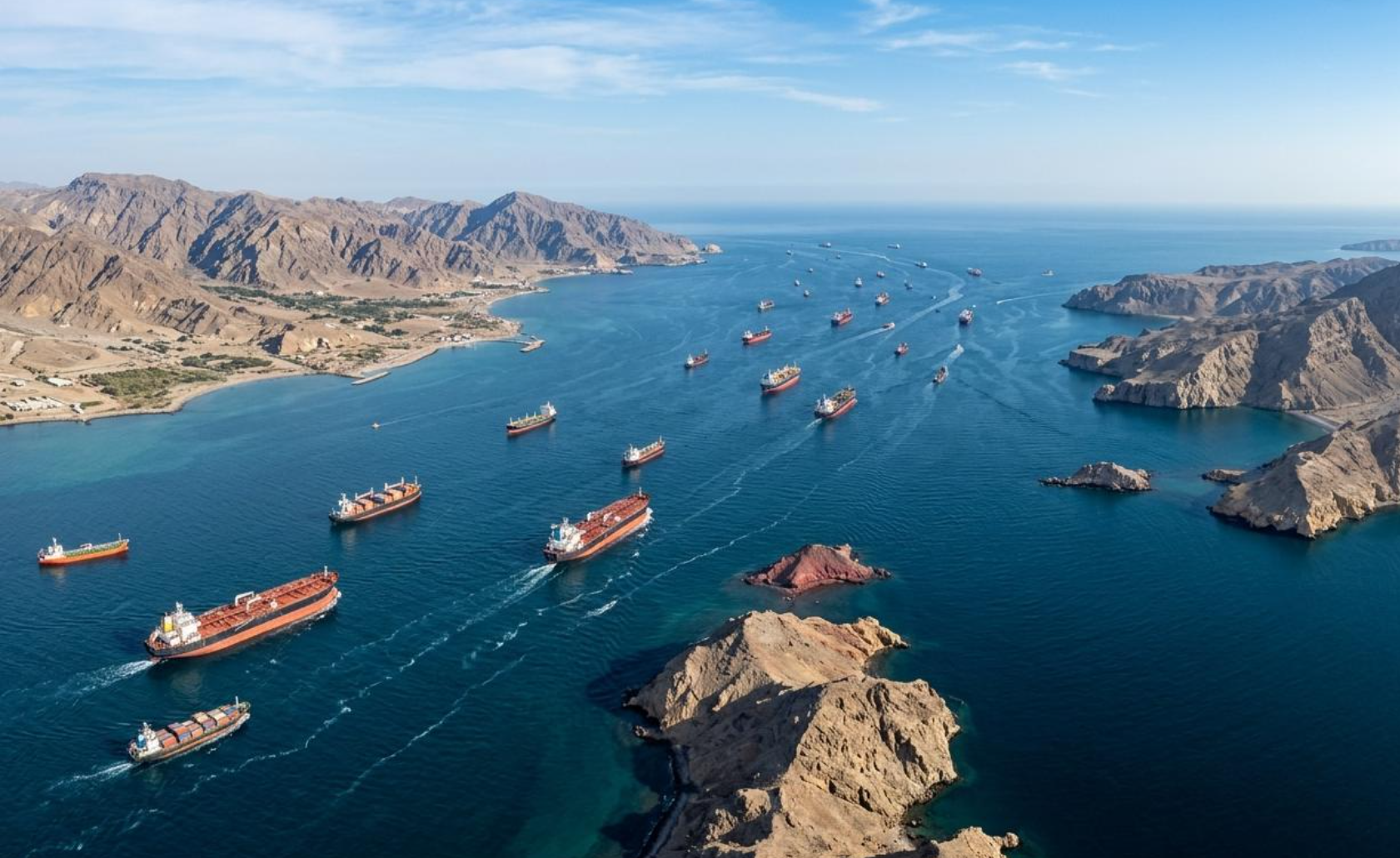
Iran's Revolutionary Guard reported Wednesday that two oil tankers struck naval mines and caught fire in the Strait of Hormuz. The circumstances of the incidents have not been independently confirmed.
Meanwhile, Yemen's Houthi rebels claimed responsibility for an attack targeting Saudi Arabia's Ras Tanura oil refinery. Saudi authorities reported intercepting drones targeting the facility, while the extent of any damage remains unclear.
Oil markets reacted quickly. Brent crude rose 3.5% on Wednesday, while American crude gained 2%.
Why should the rest of the world care?
Before the conflict, roughly one-fifth of global petroleum consumption passed through the Strait of Hormuz. The narrow waterway connects some of the world's largest oil producers with international markets.
When shipping becomes dangerous, the cost of transporting oil increases. Insurance premiums rise, deliveries become less predictable and energy markets grow increasingly volatile.
Eventually, those additional costs can reach ordinary consumers through higher fuel prices, airline tickets, transportation costs and grocery bills.
The United States has been protecting commercial vessels traveling through the region, while Tehran continues to demand concessions from Washington before restoring normal shipping.
The situation leaves energy-importing countries particularly exposed, including major economies across Asia and Europe.
For millions of people who have never heard of Ras Tanura or could not locate the Strait of Hormuz on a map, the consequences of this conflict may eventually become painfully familiar.
They could appear on the price display at their local gas station.