
November 24, 2026 | NEWSruDaily
America's intelligence agencies are responsible for identifying threats before they reach the United States. This time, the threat reached them first.
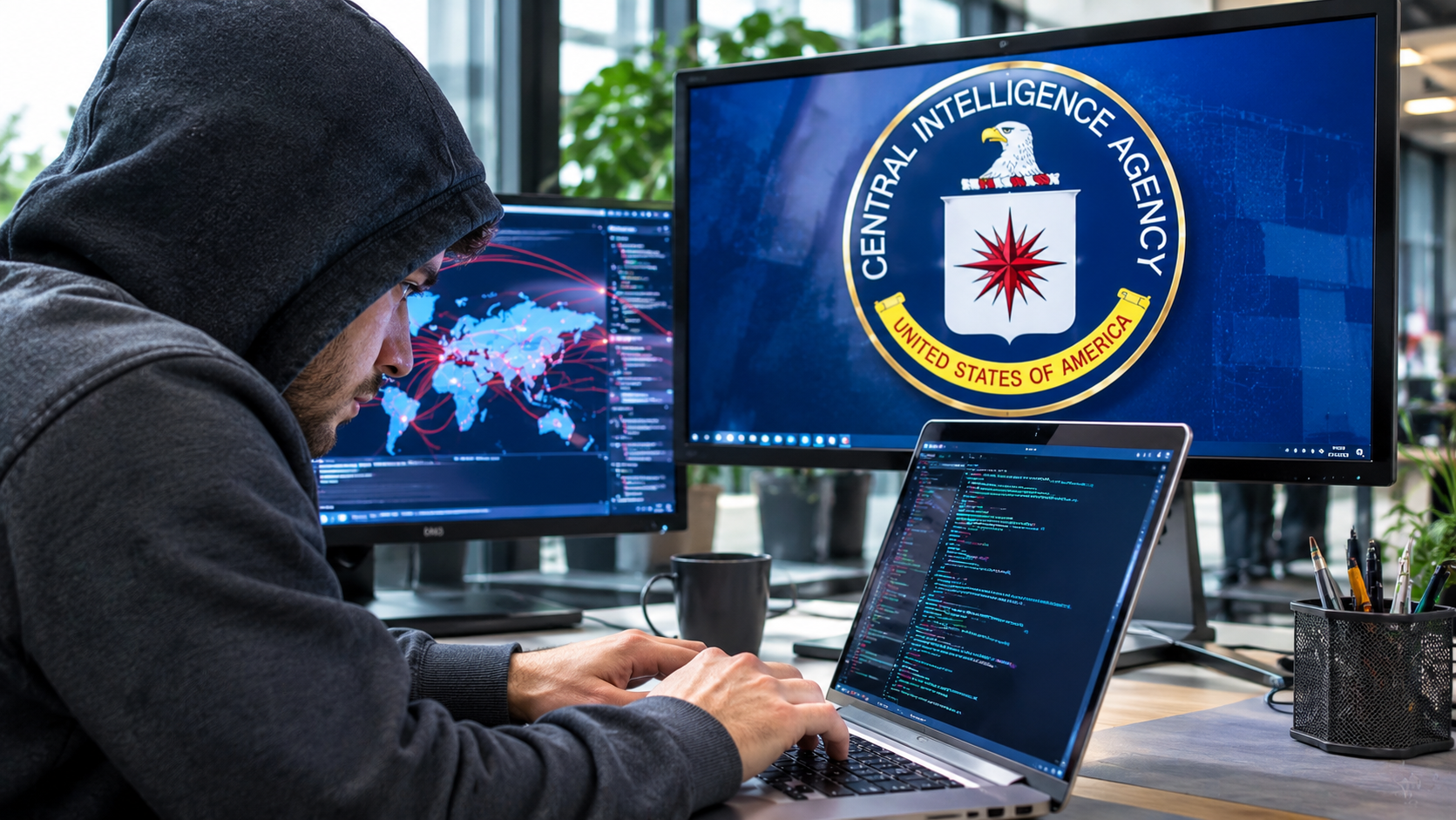
The Central Intelligence Agency (CIA) and the Office of the Director of National Intelligence (ODNI) have suffered a cybersecurity breach, according to reports published Tuesday by The New York Times, Reuters and the Associated Press.
Hackers gained access to a system used to analyze publicly available and commercially obtained information. Officials say classified intelligence was unaffected, and the breach has reportedly been contained.
But who was behind the attack? What information was obtained? And how long did the intruders have access?
Those questions remain unanswered.
Unclassified doesn't mean unimportant
American intelligence agencies analyze everything from social media activity and commercial satellite imagery to international news and financial data.
Access to such a system could potentially reveal what Washington is monitoring, which threats it considers significant and where its intelligence gaps lie — without exposing a single classified document.
What is happening to America's digital infrastructure?
November has been an unsettling month for the United States.
The FBI and the Department of Agriculture have experienced reported cybersecurity breaches. Meanwhile, separate technical failures have disrupted intelligence communications, air travel, banking services and major technology platforms.
Officials have attributed several outages to software problems rather than malicious activity. There is no established evidence of a coordinated attack.
Still, the timing raises legitimate concerns about the resilience of America's increasingly interconnected systems.
Artificial intelligence is complicating the situation. While it helps security specialists discover vulnerabilities, it also gives cybercriminals more sophisticated tools to exploit them.
Why the rest of the world should pay attention
The consequences of American cybersecurity failures do not necessarily stop at the country's borders.
International businesses rely on American technology. Global financial markets depend on American banking infrastructure. Allied nations share intelligence with Washington.
A serious disruption in the United States could therefore have consequences far beyond American territory.
The latest CIA breach does not indicate that America's classified intelligence network has been compromised. But it raises an uncomfortable question about the country's preparedness for more serious attacks.
The real test of America's digital security is not whether hackers can get in, but how much damage they can do before anyone notices.