
Silicon Valley loves globalization. Donald Trump has other plans. And this time, the world's biggest technology companies could find themselves in an expensive political fight.
For years, American technology giants have built their empires wherever electricity, land and labor made the most financial sense.
President Donald Trump apparently thinks it's time they reconsidered.
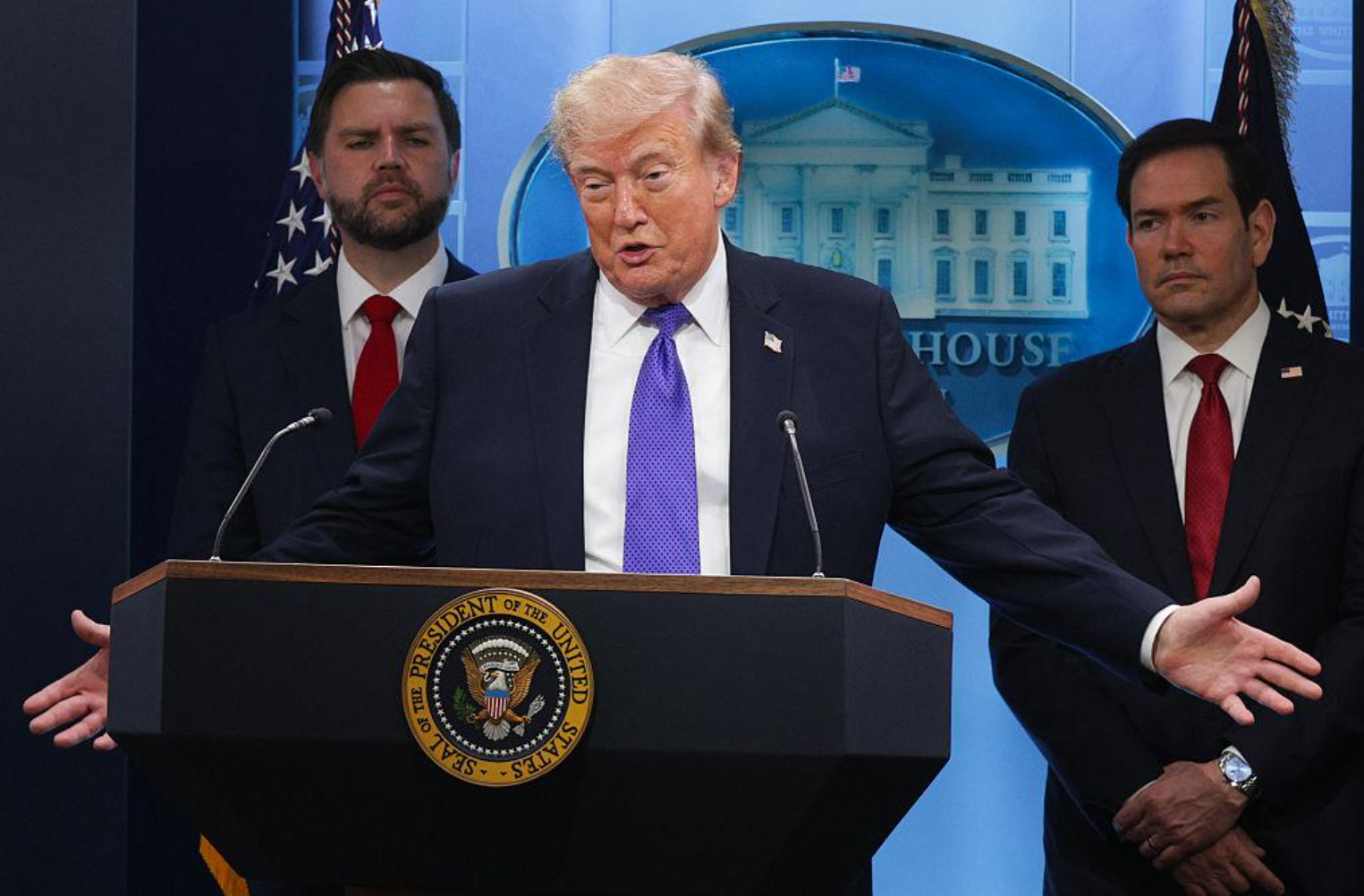
During a White House news conference Friday, Trump threatened a massive tax on American companies that build artificial intelligence data centers outside the United States.
His reasoning? America shouldn't be developing the technology of the future only to move its infrastructure overseas.
And he made China a central part of that argument.
America's AI Boom Comes With a Catch
Artificial intelligence requires enormous computing power, which means thousands of servers, vast buildings and tremendous amounts of electricity.
Companies such as Google, Microsoft, Amazon and Meta are investing heavily in the infrastructure needed to support increasingly powerful AI systems.
But there's a problem.
Not every American community wants a giant data center in its backyard.
Residents have raised concerns about electricity prices, water consumption, environmental consequences and the strain on local infrastructure.
Trump's solution is unusually direct: welcome the investment, but make the developers pay communities for the privilege.
A Tax That Doesn't Exist — Yet
There's one rather significant detail.
Trump hasn't announced a tax rate, introduced legislation or explained exactly how the penalties would work.
He even acknowledged that he hadn't discussed the proposal with his own officials before making the announcement.
And Congress has constitutional authority over federal taxation.
So, for now, this is a presidential threat rather than an enacted policy.
Still, technology executives have reason to pay attention.
The Billion-Dollar Question
Trump wants America to dominate artificial intelligence. Tech companies want the freedom to build globally. American communities want jobs and investment without watching their utility bills explode.
Can all three get what they want?
Perhaps.
But one thing is becoming increasingly clear: the race for artificial intelligence isn't just about technology anymore.
It's about who controls the infrastructure, who pays for it and who gets the profits.
Should American tech giants be required to build their AI infrastructure at home, or should private companies decide where their money goes?
NEWSruDaily — Independent News Without Borders