
WASHINGTON, November 20, 2026 | NEWSruDaily
President Donald Trump says he would make the same decision to attack Iran again, even after Vice President JD Vance acknowledged that the war contributed to Republicans' devastating midterm election losses.
The disagreement has exposed an uncomfortable political reality for the White House: the president remains convinced the war was necessary, while his own vice president recognizes the price Republicans paid at the ballot box.
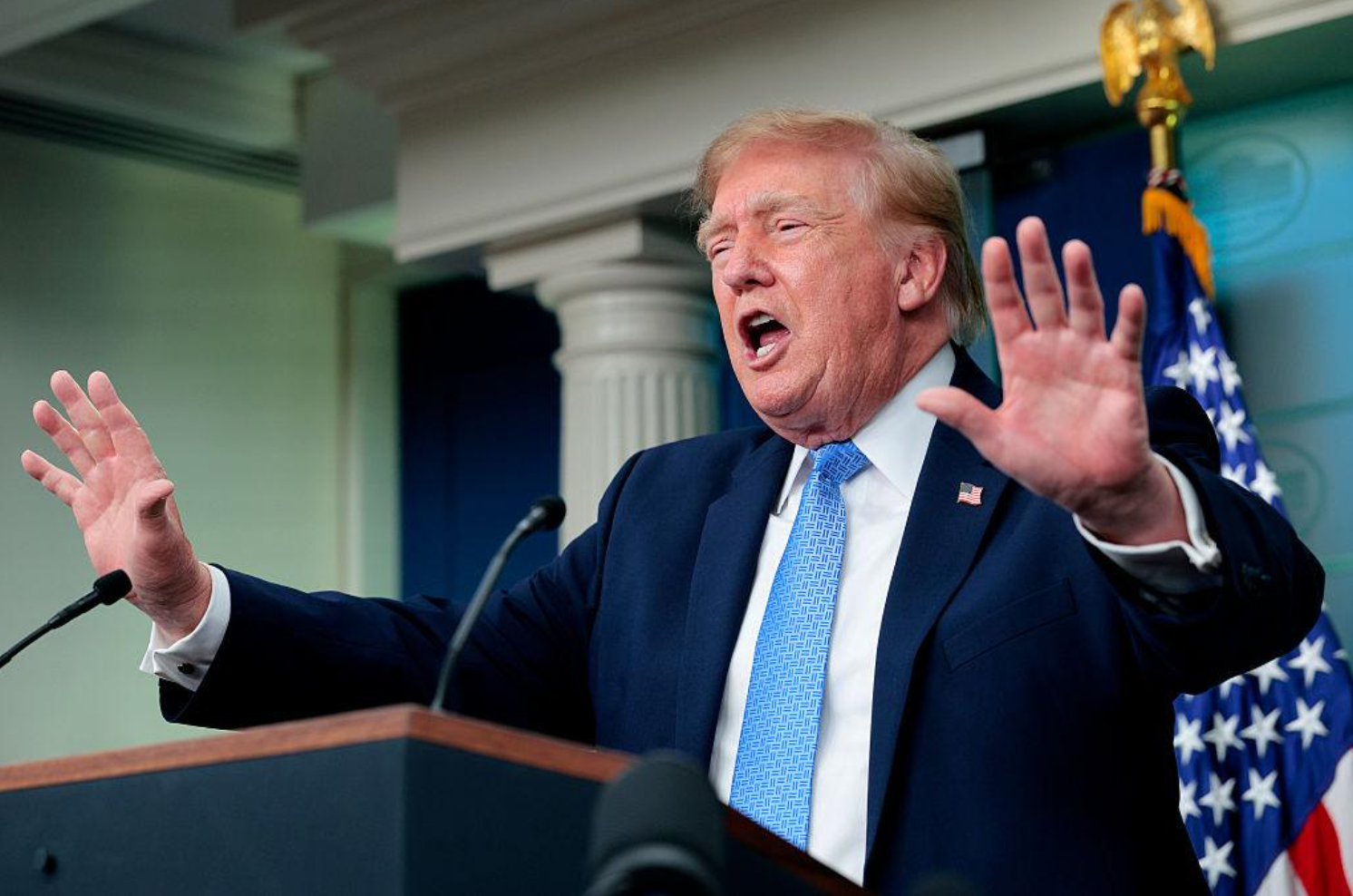
At a White House press conference Friday, Trump defended the military campaign, arguing that preventing Iran from obtaining nuclear weapons justified his decision.
Vance, standing alongside him, was considerably more cautious.
Vance Refuses to Say He Would Have Ordered the Strikes
Asked whether he would have authorized the attacks himself, Vance declined to give a direct answer.
Instead, he emphasized that the decision belonged to Trump and that his responsibility was to support the president.
The exchange followed Vance's earlier assessment that the Iran war had played a major role in the Republican Party's defeat in the November midterms.
Democrats regained control of both chambers of Congress, leaving Trump facing a much more difficult political landscape for the remainder of his presidency.
The War That Followed Republicans Home
The conflict has become more than a foreign-policy issue.
Rising fuel prices, military spending and concerns about another prolonged American war have added to voters' frustration.
An ABC News voter poll found that 34% of House voters considered the Iran war crucial to their vote. But economic concerns were even more prominent: 49% identified the cost of living as crucial.
Those figures suggest the Republican defeat cannot be attributed to the war alone.
For many Americans, foreign policy and household finances are no longer separate conversations.
Trump Has No Regrets
Trump has repeatedly defended the strikes, insisting that Iran must never be allowed to develop a nuclear weapon.
The president also played down suggestions of a serious disagreement with Vance, saying he was comfortable with the vice president's assessment of the election.
But the distinction between their positions is difficult to miss.
Trump is defending a decision he believes history will vindicate. Vance is confronting the political consequences that voters have already delivered.
And with Democrats preparing to take control of Congress, the administration faces the prospect of tougher oversight and greater resistance to its agenda.
Trump may believe the war was worth the political cost. The question now is whether Americans — and his own party — agree.