
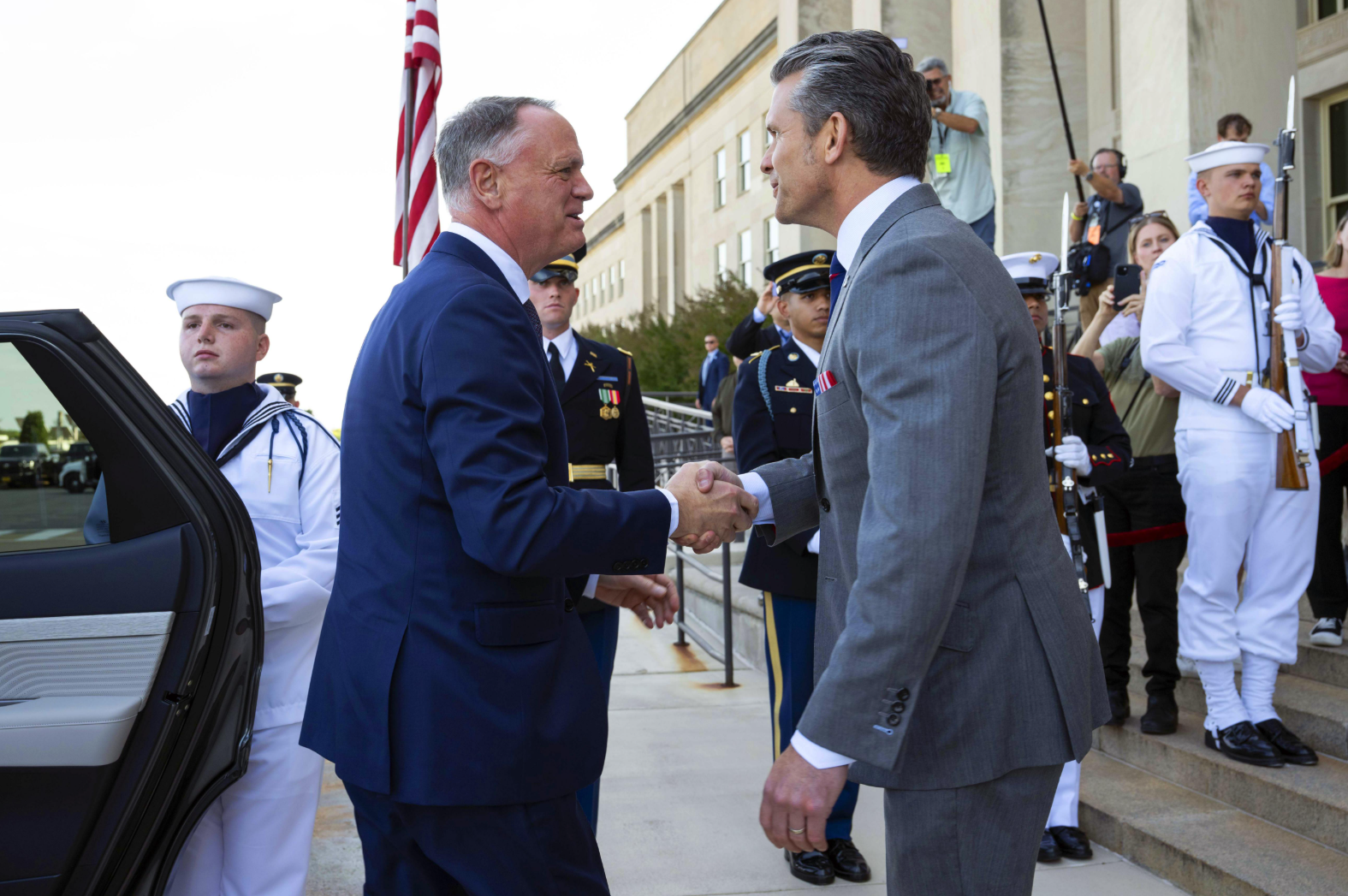
After years of sharing intelligence, defending North American skies and fighting alongside one another, Washington is putting new limits on military cooperation with Canada.
America and Canada have always had an unusual relationship.
They share one of the world's longest international borders, enormous economic ties and a military partnership built over generations.
They also share something else: the responsibility for defending North American airspace.
But apparently, even the closest neighbors can have a falling-out.
U.S. Defense Secretary Pete Hegseth has issued a classified directive restricting certain military cooperation with Canada, according to The Washington Post.
The decision comes amid growing tensions between President Donald Trump and America's northern neighbor.
What Exactly Is Changing?
That's where things become interesting.
The Pentagon has not publicly disclosed the full details of the restrictions.
Officials say intelligence sharing will continue, and the changes will not affect cooperation through NATO or the North American Aerospace Defense Command, better known as NORAD.
That matters.
NORAD is responsible for monitoring and defending North American airspace, making cooperation between the two countries essential to their security.
So this isn't a complete military breakup.
But it's certainly an unusual way to treat one of America's closest allies.
From Best Friends to Awkward Neighbors
Relations between Washington and Ottawa have become increasingly strained over trade disputes, defense spending and Trump's repeated suggestions that Canada should become America's 51st state.
Canadian Prime Minister Mark Carney has rejected the idea.
And while Washington argues that military cooperation should better serve American defense priorities, the latest restrictions raise a bigger question about the future of the alliance.
Can two countries maintain a strong military partnership while their political leaders disagree so publicly?
The Real Risk
Canada isn't simply another foreign country on America's diplomatic calendar.
The two nations share critical defense infrastructure, intelligence responsibilities and a continent.
And while the new restrictions reportedly preserve their most important joint security arrangements, the political message is difficult to ignore.
Washington wants its allies to contribute more.
But what happens when that pressure begins to complicate the relationships America depends on?
Is Trump strengthening American security by demanding more from allies, or risking the trust that took generations to build?
NEWSruDaily — Independent News Without Borders