
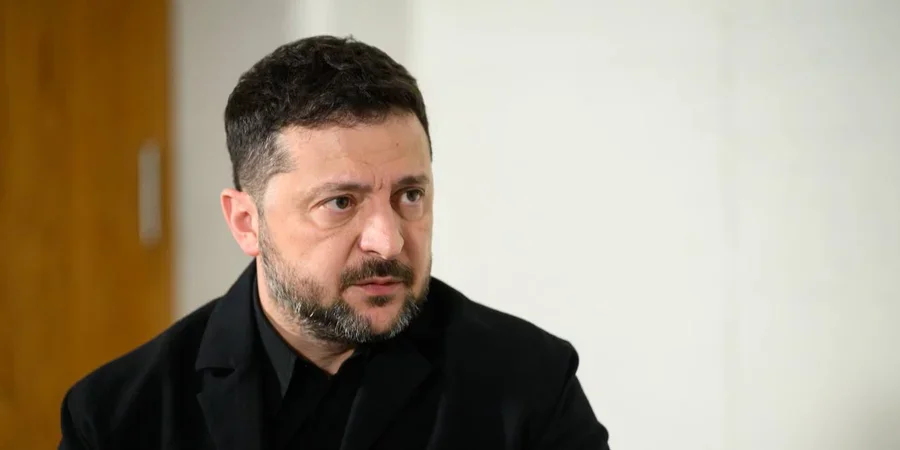
Ukrainian President Volodymyr Zelensky signed decrees imposing sanctions on seven Russian shadow fleet vessels and six Russians involved in forcing Ukrainians in occupied territories to accept Russian passports.
The presidential office announced the measures on Monday, November 16.
“Sanctions do more than anything else to give Russia an incentive to end the war,” Zelensky stressed.
According to the presidential office, the vessels sail under the Russian flag and regularly transport large quantities of weapons, ammunition and military equipment for the Russian army. Most belong to M-Leasing and MG-Flot, companies already under sanctions from Ukraine, the EU, the US, the UK, Japan and several other countries. Five of the vessels are under US sanctions.
Vladyslav Vlasiuk, the president’s commissioner for sanctions policy, explained that the sanctions are intended to limit the vessels’ ability to enter ports and receive services. “The next step is sanctions against their captains: Those who command such vessels will be held personally accountable,” he said.
The second list includes Russian officials who, according to the presidential office, are forcing residents of occupied areas of the Donetsk, Luhansk, Kherson and Zaporizhzhia regions, as well as Crimea and Sevastopol, to accept Russian passports. They include Valentina Kazakova, deputy head of Russia’s Federal Bailiff Service, and Oleg Agarkov, head of the Russian Interior Ministry’s main directorate for the Krasnodar region.
The presidential office noted that holding a Russian passport allows occupying authorities to register residents of occupied territories for military service. To force people to accept citizenship, Russian authorities deny them access to medical care, pensions, jobs and education, and threaten to take their children away. Ukraine will share information with its partners so they can align their sanctions.
On November 16, the Council of the EU expanded sanctions against Russia, adding 12 individuals and 101 organizations involved in financing the war to its sanctions lists, including the owners of online marketplaces Wildberries and Ozon, as well as oil companies. Another 30 people and two organizations were sanctioned for conducting information operations and cyberattacks. The EU said the new sanctions are intended to increase pressure on Russia’s banking sector and cut off Moscow’s financial channels.
The same day, EU foreign policy chief Kaja Kallas said the 22nd sanctions package could include an EU entry ban for Russians who fought against Ukraine. She acknowledged, however, that some member states have questions about how to implement such restrictions in practice.
Tags: Sanctions against Russia Russia’s war against Ukraine Volodymyr Zelensky
If you find an error in the text, highlight it with your mouse and press Ctrl + Enter