
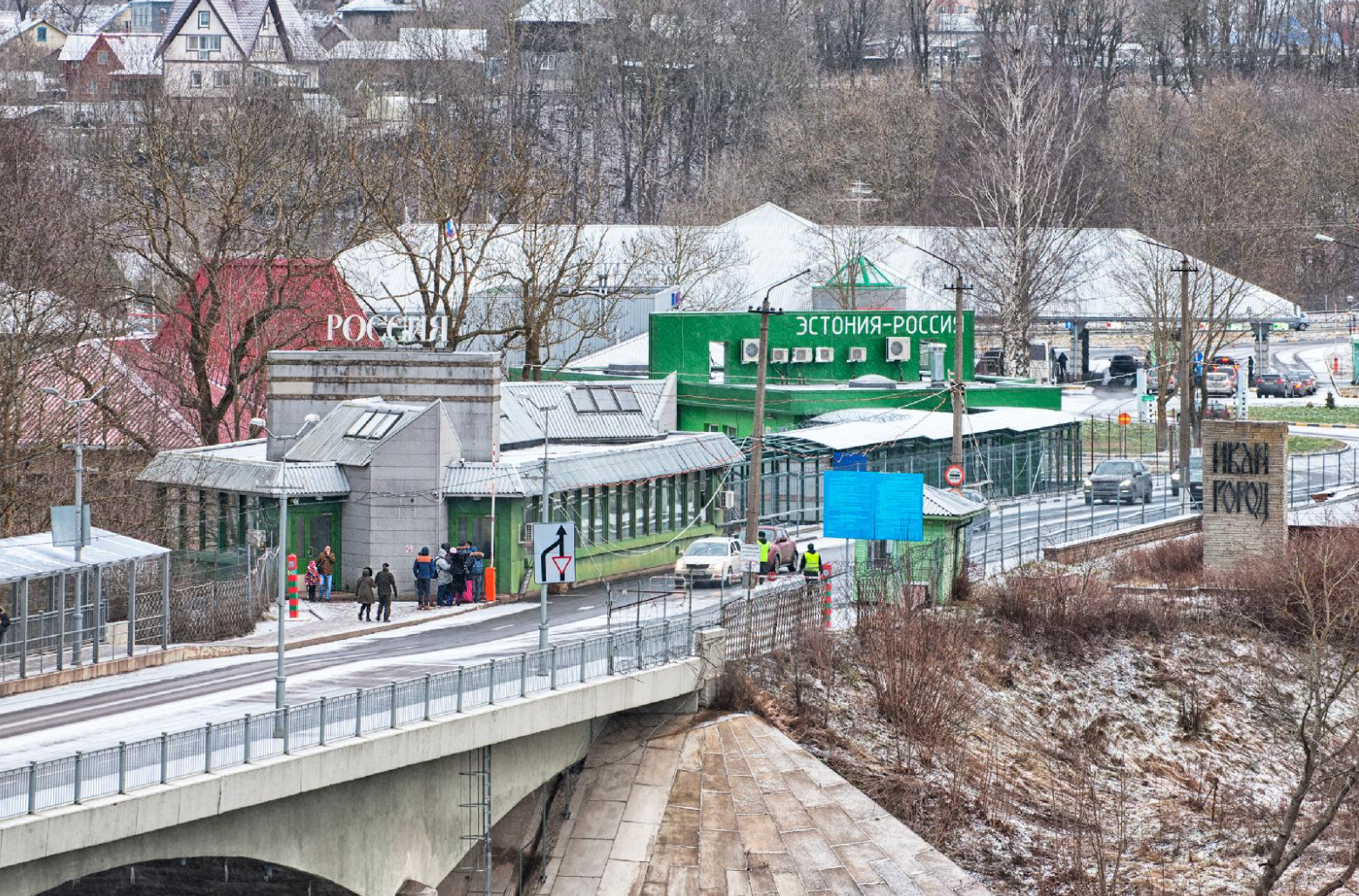
Estonia to close its border with Russia on December 1. What should travelers do now?
One of the last overland routes between Russia and the European Union could become unavailable in just two weeks. Estonia has announced plans to completely close its road border crossings with Russia.
On November 15, Estonian Foreign Minister Margus Tsahkna said the country plans to close all three operating road checkpoints on its border with Russia—Narva, Luhamaa and Koidula—starting December 1, 2026.
The decision will affect not only freight traffic but also ordinary travelers, including those crossing the border on foot.
Why is Estonia closing the border?
The move follows an attempted arson attack on Threod Systems, a company that manufactures reconnaissance and attack drones.
Estonian intelligence services allege that the attack was organized by Russia's military intelligence agency, the GRU. Eight people living in Latvia have been detained in connection with the case.
Moscow denies the allegations. Russian Foreign Ministry spokesperson Maria Zakharova called the potential border closure another manifestation of Russophobia.
What will change for Russians?
Under the announced plans, travelers will no longer be able to cross the Russia-Estonia border through Narva, Luhamaa or Koidula starting December 1.
This is especially important for Russians living in Europe, people with relatives on both sides of the border and travelers using Estonia as a transit route.
Estonian authorities warned the country's citizens and residents currently in Russia that they have about two weeks left to return via their usual route.
When will the border reopen?
That remains unknown.
The Estonian government has yet to finalize how the restrictions will be implemented and how long they will last. The closure could be lengthy.
If you are planning to travel through Estonia in December, check official border agency announcements and consider an alternative route in advance.
NEWSruDaily | Russia • Europe • Society
Sources: Reuters, ERR, Estonian Ministry of Foreign Affairs, November 15, 2026.